Kieli
Kieli
 +86-15268315011


 englanti
 中文简体
中文简体 español
 русский
Mikä tekee hydratusta isopreenipolymeeristä (EP) sopivan vaativiin teollisiin sovelluksiin?
Mikä on hydrattu isopreenipolymeeri (EP)?
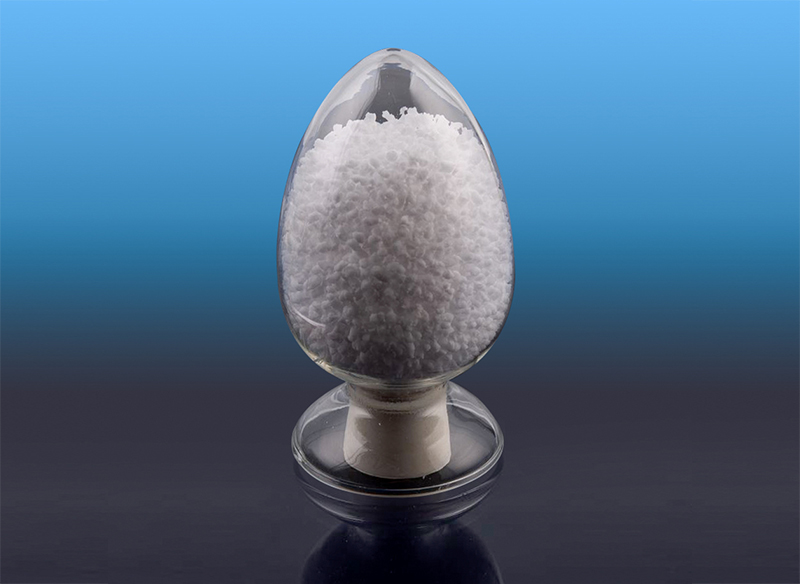
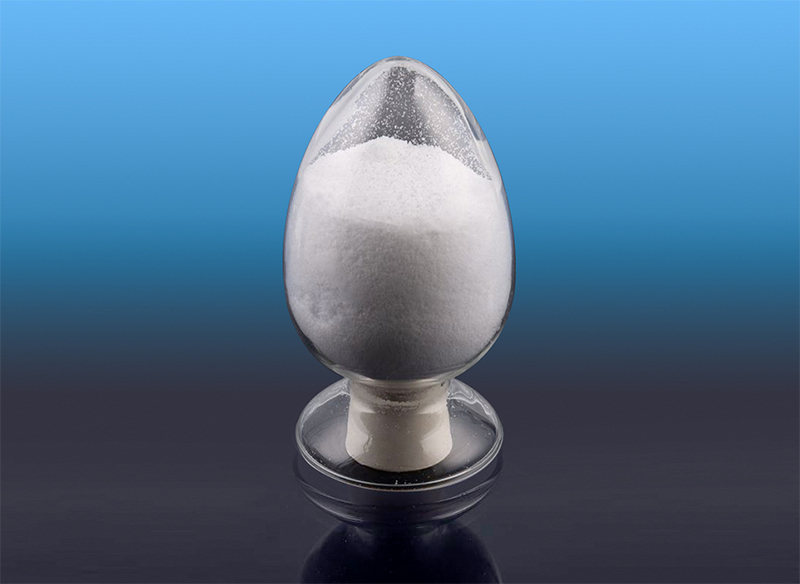
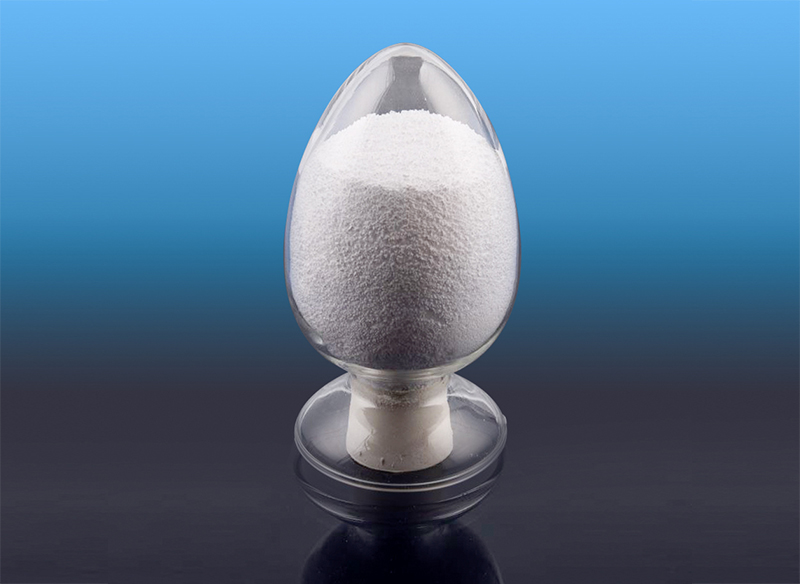
Hydrogenoitu isopreenipolymeeri (EP) valmistetaan polyisopreenin hydrauksella, prosessilla, joka kyllästää alkuperäisessä polymeeriketjussa olevat kaksoissidokset. Tämä rakennemuutos on määrittävä ominaisuus, joka erottaa EP:n tavanomaisesta isopreenikumista. Tyydyttymättömien sidosten poistaminen polymeerimolekyyleistä parantaa suoraan materiaalin vastustuskykyä hapelle ja valolle, jotka ovat pääasiallisia mekanismeja kumin hajoamisen takana ajan myötä.
Zhonglin EP-laatu on rakenteeltaan tähtimäinen polymeeri, joka perustuu eteeni-vaihtuva-propeeni-arkkitehtuuriin ja joka tuotetaan kontrolloidulla polymeroinnilla, jota seuraa hydrausvaihe. Valmistus alkaa tyypillisesti isopreenin anionisella polymeroinnilla, menetelmällä, joka antaa tuottajille tarkan hallinnan molekyylipainosta ja polymeerin kokonaisarkkitehtuurista, mitä seuraa katalyyttinen hydraus, joka suoritetaan siirtymämetallikomplekseilla korotetussa paineessa ja lämpötilassa. Tuloksena on synteettinen elastomeeri, joka on erityisesti suunniteltu ylittämään standardikumit ympäristöissä, joissa lämpö, hapettuminen ja kemiallinen altistuminen muutoin aiheuttaisivat nopean materiaalin hajoamisen.
Kuinka hydraus muuttaa polymeerin suorituskyvyn
Hydrausreaktio ei ole kosmeettinen modifikaatio - se muuttaa perusteellisesti polymeerin käyttäytymistä rasituksen, lämmön ja kemiallisen altistuksen alaisena. Tämän muutoksen ymmärtäminen selittää, miksi EP on korkeampi kuin hydraamaton isopreenikumi vaativissa sovelluksissa.
Rakenteelliset muutokset molekyylitasolla
Hydrausprosessi kyllästää isopreenin polymeeriketjun kaksoissidokset vähentäen tai kokonaan poistaen tyydyttymättömät sidokset polymeerimolekyyleissä. Tämä kyllästyminen muuttaa polymeerin kemiallista rakennetta tavoilla, jotka vaikuttavat suoraan sekä sen fysikaalisiin että kemiallisiin suorituskykyominaisuuksiin. Tyydyttyneiden sidosten käyttöönotto voi myös muuttaa molekyyliketjun rakennetta, mikä vaikuttaa vetolujuuteen, kovuuteen ja joustavuuteen, mikä antaa formuloijille viritettävän alustan kiinteän suorituskyvyn materiaalin sijaan.
Miksi tyydyttymättömät sidokset ovat tavallisen kumin heikko kohta
Tyydyttymättömiä sidoksia sisältävät polymeerit ovat luonnostaan herkempiä ulkoisille hajoamistekijöille, kuten hapelle ja valolle, mikä johtaa asteittaiseen hajoamiseen ja suorituskyvyn heikkenemiseen ajan myötä. Poistamalla tämän haavoittuvuuden hydrauksen avulla EP välttää haurautta, halkeilua ja värimuutoksia, joita tyypillisesti esiintyy tavanomaisissa kumeissa pitkän ulko- tai korkean lämpötilan käytön jälkeen.
Suorituskyvyn ydinominaisuudet, jotka määrittävät EP:n
EP:n arvoehdotus perustuu toisiinsa liittyvien ominaisuuksien klusteriin, jotka yhdessä mahdollistavat sen toiminnan luotettavasti, kun standardielastomeerit hajoavat tai epäonnistuvat. Jokainen ominaisuus johtuu suoraan edellä kuvatusta hydrauskemiasta.
Lämpöstabiilisuus
Yksi hydrauksen merkittävimmistä eduista on lisääntynyt kestävyys korkeita lämpötiloja vastaan, kun HIP säilyttää rakenteellisen eheyden yli 150 °C:n käyttöympäristöissä, kynnys, joka on huomattavasti parempi kuin tavallinen hydraamaton isopreenikumi. Tämän lämmönkestävyyden ansiosta EP voi säilyttää ominaisuutensa korkeissa lämpötiloissa tavoilla, joita hydraamaton isopreeni ei yksinkertaisesti pysty vastaamaan.
Hapettumis- ja otsoninkestävyys
Kaksoissidosten kyllästyminen vähentää merkittävästi polymeerin herkkyyttä oksidatiiviselle hajoamiselle, mikä tekee siitä erityisen sopivan ulkokäyttöön tai otsonille altistuviin sovelluksiin, joissa UV-kestävyys on välttämätöntä. Tämä ympäristön pilaantumisenkestävyys pidentää suoraan minkä tahansa EP:tä raaka-aineena valmistetun tuotteen käyttöikää.
Kemiallinen ja liuottimien kestävyys
HIP kestää monenlaisia kemikaaleja, kuten öljyjä, liuottimia ja happoja, mikä tekee siitä sopivan aggressiivisiin kemiallisiin prosessointiympäristöihin tai sovelluksiin, joissa joutuu kosketuksiin autojen nesteiden kanssa. Tämä kemiallinen yhteensopivuus tarkoittaa, että EP pysyy vakaana ollessaan suorassa kosketuksessa öljyjen, polttoaineiden ja erilaisten liuottimien kanssa, mikä on vaatimus monissa teollisissa tiivistys- ja autokomponenttisovelluksissa.
Puristussarja ja elastinen palautus
Hydrausprosessi parantaa polymeerin kykyä säilyttää muotonsa pitkäaikaisessa puristuksessa, mikä tekee siitä ihanteellisen tiivistyssovelluksiin, tiivisteisiin ja dynaamisiin komponentteihin, joihin kohdistuu toistuvaa mekaanista kiertoa. Tämä alhainen puristussarjan käyttäytyminen on erityisen arvokasta tiiviste- ja tiivistemalleissa, joiden on säilytettävä tasainen kosketuspaine vuosien ajan menettämättä alkuperäistä geometriaansa.
Mekaaninen lujuus ja venymä
HIP säilyttää korkean vetolujuuden ja kulutuskestävyyden, mutta sillä on myös erinomaiset venymäominaisuudet, ominaisuudet, jotka ovat välttämättömiä dynaamisissa kantavissa sovelluksissa ja tarkkuusvaletuissa osissa. Tämä mekaaninen lujuus tarjoaa kimmoisuutta, joustavuutta ja joustavuutta, joita tarvitaan luotettavaan toimintaan dynaamisissa kuormitusolosuhteissa useissa osien geometrioissa ja jännitysprofiileissa.
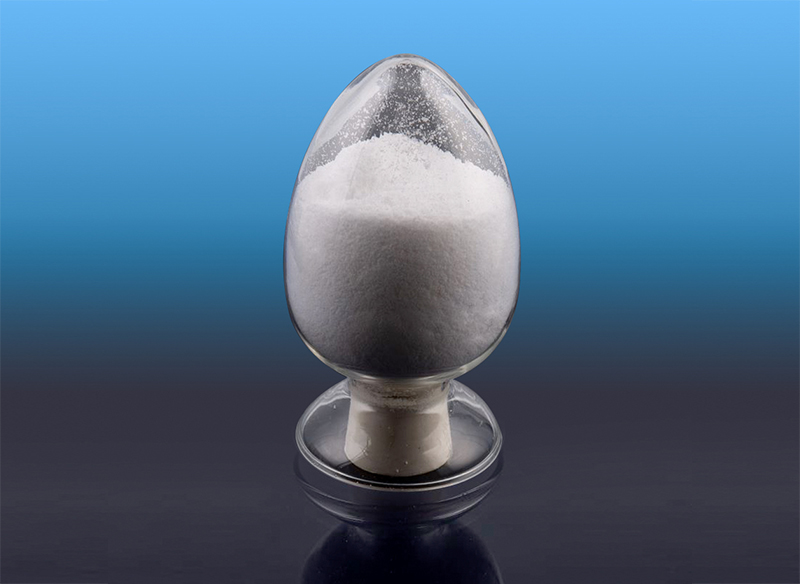
Ominaisuuksien vertailu: EP vs. tavallinen isopreenikumi
Alla olevassa taulukossa on yhteenveto siitä, kuinka hydraus muuttaa suorituskykyominaisuuksia verrattuna tavanomaiseen, hydraamattomaan isopreenikumiin, mikä auttaa formuloijia tunnistamaan nopeasti, missä EP tarjoaa mielekkään päivityksen.
| Omaisuus | Tavallinen isopreenikumi | Hydrogenoitu isopreenipolymeeri (EP) |
| Lämmönkesto | Rajoitettu korkeissa lämpötiloissa | Stabiili yli 150°C:ssa |
| Hapettumiskestävyys | Altis oksidatiiviselle hajoamiselle | Huomattavasti parantunut vakaus |
| UV/otsonin kestävyys | Heikko, hajoaa ulkona | Vahva, sopii ulkokäyttöön |
| Kemiallinen kestävyys | Kohtalainen | Stabiili öljyjen, polttoaineiden, liuottimien kanssa |
| Kompressiosarja | Korkeampi, muodon säilyminen heikkenee | Matala, vahva pitkän aikavälin toipuminen |
| Käyttöikä vaikeissa olosuhteissa | Lyhyempi | Laajennettu |
EP:n tärkeimmät teolliset sovellukset
Hydrogenoitua isopreenipolymeeriä käytetään useilla eri teollisuudenaloilla, mukaan lukien liimat, autot, jalkineet, rakentaminen, lääketiede, pakkaus ja elektroniikka, ja sen erityinen rooli vaihtelee sen mukaan, minkä ominaisuuksien yhdistelmän tietty sovellus priorisoi.
Lääketieteen ja terveydenhuollon komponentit
EP soveltuu hyvin joustaviin letkuihin, tulppien ja tiivisteisiin, joita käytetään lääkinnällisissä laitteissa, kun taas EP-pohjaiset liimat tarjoavat turvallisen kiinnityksen, joka pysyy hellävaraisena iholle, mikä tekee niistä ihanteellisia haavanhoitotuotteille ja puetettaville lääketieteellisille laitteille. Tämä joustavuuden ja ihoa suojaavan tarttuvuuden yhdistelmä on erityisen arvokas kertakäyttöisissä lääketieteellisissä osissa, joiden on säilytettävä luotettava tiivistys suorassa, pitkäaikaisessa kosketuksessa kehon kanssa.
Autojen tiivisteet ja komponentit
Korkea elastisuus ja kulutuskestävyys tekevät hydratusta isopreenipolymeeristä ihanteellisen materiaalin autonrenkaiden ja teollisuustiivisteiden valmistukseen, sillä säänkestävyys mahdollistaa materiaalin vakauden säilyttämisen ankarissa olosuhteissa ja pidentää tuotteen käyttöikää. Polttoainehöyrylle, öljyroiskeille ja jatkuvalle lämpökierrolle altistuneet moottoritilan osat ovat ensisijaisia ehdokkaita EP-pohjaisiin formulaatioihin sen todistetun kemiallisen ja lämmönkestävyysprofiilin vuoksi.
Johdineristys ja joustava elektroniikka
Polymeerin lämmönkestävyys ja dielektriset ominaisuudet mahdollistavat sen käytön johdineristyksessä, kaapelin vaippassa ja joustavissa elektroniikkakomponenteissa, joiden on kestettävä lämpöä ja mekaanista rasitusta ajan myötä. Kun elektroniset laitteet tiivistyvät ja tuottavat paikallisempaa lämpöä, materiaalit, jotka pystyvät säilyttämään dielektrisen eheyden lämpörasituksen alaisena, ovat yhä tärkeämpiä komponenttien suunnittelijoille.
Puettavat tarvikkeet ja kulutuselektroniikan kotelot
EP:n joustavuus ja kestävyys tekevät siitä lupaavan materiaalin puettavissa laitteissa ja joustavassa elektroniikassa, jotka perinteisesti perustuvat muovisubstraatteihin ja -koteloihin. Älykellot ja kuntoseurantalaitteet voivat käyttää EP:tä rannekkeissaan, koteloissaan ja sisäisissä komponenteissaan ympäristöystävällisenä vaihtoehtona perinteiselle muoville. Tämä asemoi EP:n suorituskyvyn parantamisen lisäksi kestävään kehitykseen suuntautuneena materiaalikorvauksena tuoteluokissa, jotka ovat kasvavan ympäristövalvonnan kohteena.
Käsittelyyn liittyviä huomioita formuloijille
EP tarjoaa prosessien monipuolisuutta, ja se voidaan yhdistää hartseihin, pehmittimiin ja muihin polymeereihin räätälöityjen suorituskykyominaisuuksien saavuttamiseksi, jotka on räätälöity tiettyyn loppukäyttöön. Tämä monimutkainen joustavuus on yksi tärkeimmistä syistä, miksi EP on löytänyt hyväksynnän niin monilla eri aloilla sen sijaan, että se olisi rajoittunut yhteen markkinarakoon.
Tehokas liimaus muiden materiaalien kanssa
Käytännön sovelluksissa voidaan käyttää menetelmiä, kuten sekoittamista, laminointia ja pinnoitusta, jotta saavutetaan tehokas sidos hydrattujen polyisopreenipolymeerien ja muiden materiaalien välillä. Valinta näiden liimausmenetelmien välillä riippuu erityisestä sovellusskenaariosta ja siihen liittyvistä suorituskykyvaatimuksista, mikä tarkoittaa, että formuloijien tulee arvioida alustan yhteensopivuus ja loppukäytön jännitysolosuhteet ennen kuin viimeistelevät liimausmenetelmän useasta materiaalista koostuville kokoonpanoille.
- Sekoitus: EP:n yhdistäminen suoraan yhteensopivien hartsien tai elastomeerien kanssa kovuuden, joustavuuden tai käsittelyominaisuuksien säätämiseksi ennen muovausta tai ekstruusiota.
- Laminointi: EP-kerrosten kiinnittäminen muihin substraatteihin, kuten kankaisiin tai kalvoihin, hyödyllinen lääketeippien ja puettavien laitteiden rakentamisessa, missä monikerroksiset rakenteet ovat yleisiä.
- Pinnoite: EP:n levittäminen pintapinnoitteena kemiallisen tai säänkestävyyden lisäämiseksi alla olevalle alustalle muuttamatta sen ydinmekaanisia ominaisuuksia.
EP:n arviointi hakemuksellesi
Arvioidessaan, onko hydrattu isopreenipolymeeri oikea materiaalivalinta tietylle tuotteelle, insinöörien ja hankintatiimien tulee punnita valmiin osan kohtaamat erityiset ympäristörasitukset verrattuna EP:n dokumentoituihin vahvuuksiin. Sovellukset, joihin liittyy jatkuvaa lämpöaltistusta, joka ylittää normaalit kumin käyttörajat, pitkäkestoinen altistuminen ulkona tai UV-säteilylle, toistuva puristusjakso tai suora kosketus öljyjen ja liuottimien kanssa, ovat juuri niitä olosuhteita, joissa EP:n hydrauksesta saadut ominaisuudet parantavat mitattavissa olevaa tuotteen käyttöikää ja luotettavuutta.
Yhtä tärkeää on varmistaa, että valitun EP-laadun molekyyliarkkitehtuuri ja hydraustaso vastaavat tuotantoon suunniteltua seostus- ja sidosmenetelmää, koska suorituskyky voi vaihdella merkittävästi laatujen välillä riippuen alkuperäisen anionisen polymeroinnin aikana saavutetusta molekyylipainon hallinnasta. Yksityiskohtaisten teknisten tiedotteiden ja mahdollisuuksien mukaan näytetestien pyytäminen sovellusta edustavissa olosuhteissa on edelleen luotettavin tapa varmistaa, että tietty EP-laatu takaa projektin vaatiman lämpöstabiilisuuden, kemiallisen kestävyyden ja mekaanisen suorituskyvyn, ennen kuin sitoutuu täysimittaiseen tuotantoon.